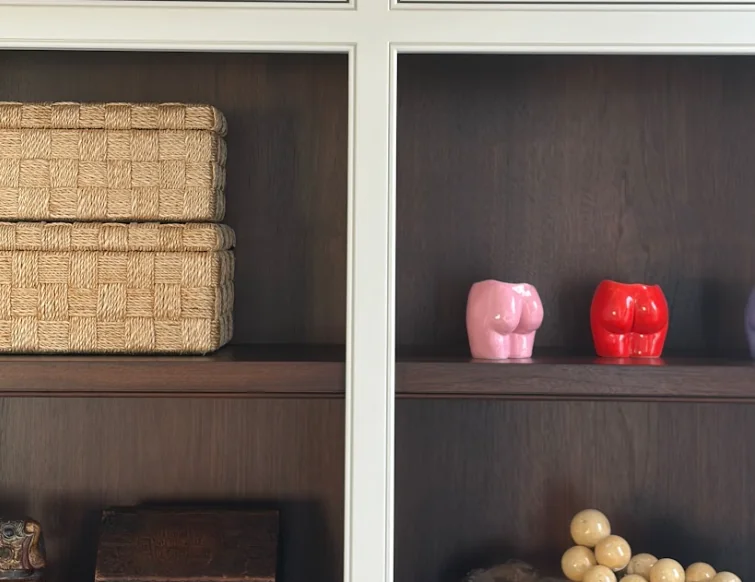
You walk into a room and feel instantly at ease, but nothing shouts for your attention. No single element dominates. The proportions feel deliberate, the materials feel real under your hand, and the palette settles your nerves instead of stimulating them.
That response is the product of quiet luxury interior design. It is a philosophy built on material honesty, considered restraint, and the kind of detail that rewards a second look rather than demanding a first one.
The look depends on a process that connects design intent to physical fabrication under one roof. When a design calls for a flush-inset panel with no visible hardware, the team that drew it should also be the team that builds it.
That continuity matters in quiet luxury, where the gap between a rendering and a finished room often shows up as a misaligned reveal, a clumsy transition, or a detail that reads as almost right.
Keep reading to learn how refined elegance depends on specific material, color, and proportion decisions you can evaluate before committing to a single purchase.
You will also see where bespoke joinery and custom millwork fabrication close the gap between a muted palette and a room that genuinely feels finished.
What Defines a Room That Reads as Quiet Luxury
A room built on quiet luxury holds your attention through texture, weight, and proportion rather than pattern, color contrast, or decorative flourish. You register quality through touch and spatial comfort before you ever name a single finish.
Why It Is Not the Same as Minimalism
Minimalism strips a room down to essentials and often celebrates absence itself. Quiet luxury design works differently.
It keeps visual noise low but fills the room with tactile richness: a linen curtain with genuine body, a plaster wall with visible trowel variation, a stone threshold worn smooth at the edges. The room is edited, not emptied.
Minimalism also tends toward uniformity. Quiet luxury style relies on subtle variation. You might pair a matte-finished oak credenza with a polished bronze pull and a honed marble surface. Each material differs in sheen, grain, and warmth. The overall effect stays coherent because the tonal range is narrow and every choice is deliberate.
How Understated Elegance Depends on Restraint
Restraint in a quiet luxury room is not the absence of spending. It is the discipline of choosing fewer, better elements. You invest in the leather sofa with a full aniline hide rather than splitting that budget across three accent chairs and a throw pillow scheme.
That discipline extends to architectural details. Crown molding, for instance, can read as understated elegance when the profile is simple, the paint matches the wall, and the joint work is tight. The same molding installed with visible caulk lines and a contrasting color becomes decorative noise. Restraint is as much about execution as selection.
Why Quality Over Quantity Changes the Result
When you commit to quality over quantity, every piece in the room earns its place through performance and presence. A single handmade ceramic vase on an oak shelf says more than a curated cluster of mass-produced objects.
This principle shapes the budget conversation. Instead of spreading funds evenly across every surface, you concentrate spending where it creates the most lasting impression. That might mean allocating more to a custom vanity and less to off-the-shelf bathroom accessories. The result is a timeless aesthetic where nothing competes, and nothing distracts.
Materials, Finishes, and Craftsmanship That Carry the Look
A brushed brass faucet that darkens over five years tells a different story than a polished chrome fixture that looks identical on day one and day one thousand. Quiet luxury favors natural materials that develop character as you live with them.
Choosing High-Quality Materials That Age Well
High-quality materials in a quiet luxury context are not the most expensive options on a spec sheet. They are the ones whose surfaces, grain structures, and finishes improve or stabilize with age. White oak floors develop a honey patina. Full-grain leather softens. Unlacquered brass warms.
Engineered substitutes can look similar at install but often lack the depth that reveals itself over years. A porcelain tile printed to mimic Calacatta marble will never develop the micro-etching and soft polish that real stone earns through daily use. If the design philosophy depends on honesty, the material must be honest too.
Where Natural Stone, Wood, Leather, and Linen Matter Most
Each of these materials anchors a specific zone in the home. Natural stone, whether honed limestone or leathered quartzite, belongs on surfaces you see and touch daily. These include marble countertops, shower thresholds, and fireplace surrounds.
Wood carries warmth in floors, shelving, and millwork panels. Leather serves best in seating, where its patina reflects actual use. Linen upholstery and linen curtains bring softness to hard-edged rooms without introducing synthetic sheen.
- Stone: kitchen surfaces, bathroom walls, entry flooring
- Wood: cabinetry, paneling, stair treads, shelving
- Leather: sofas, dining chairs, bench seating
- Linen: drapery, upholstered headboards, accent pillows
How Bespoke Joinery and Millwork Create a Finished Feel
The difference between a room that looks designed and one that feels finished often comes down to joinery. Flush-inset cabinet doors, mitered panel transitions, and scribed trim that follows an irregular plaster wall all require fabrication precision that off-the-shelf components cannot deliver.
When a millwork shop builds a bookcase to match the exact ceiling height and baseboard profile of a 1920s Chicago greystone, the piece disappears into the architecture. That integration is what quiet luxury requires.
A prefabricated unit, no matter how well designed, leaves a gap at the crown, a filler strip at the side, or a baseboard that stops and restarts. Those interruptions break the visual calm that defines the aesthetic.
In-house fabrication makes this level of integration repeatable. The design team specifies a reveal width. The shop holds that dimension across every panel. That control over residential interior details determines whether a room reads as refined or merely decorated.
Color, Light, and Spatial Rhythm
A quiet luxury color palette typically lives within a ten-degree hue range on the color wheel. This is why rooms in this style feel calm even when they contain multiple finishes.
Building a Warm Neutral Foundation
Warm neutrals anchor the quiet luxury aesthetic without pulling attention toward any single surface. Think raw plaster whites, oatmeal, warm greige, and soft clay. These tones let material texture do the visual work instead of relying on chromatic contrast.
The key is temperature consistency. Mixing a cool grey tile with a warm beige wall creates subtle visual tension that undermines the composed feeling you are after. Test samples in your actual space, under your actual light conditions, at multiple times of day.
The color that looks perfect under showroom LEDs may shift blue in north-facing Chicago light during winter.
| Surface | Recommended Tone Range | Why It Matters |
|---|---|---|
| Walls | Warm white to soft greige | Sets the dominant visual temperature |
| Trim and millwork | Matched or one shade deeper | Eliminates contrast that draws the eye |
| Flooring | Medium warm tone (oak, limestone) | Grounds the room without competing |
| Upholstery | Tonal variation within the same family | Adds depth without pattern |
| Metal hardware | Brushed brass, aged bronze, or matte nickel | Provides accent without sparkle |
Using Layered Lighting Instead of Bright Uniform Light
A single overhead fixture at 3000K washes a room in flat, even light and removes every shadow that gives a surface its dimension. Layered lighting solves this by combining ambient lighting, accent lighting, and task sources at different heights and intensities.
Start with recessed cans on dimmers for general ambient light. Add warm lighting from table lamps and sconces at eye level to create pools of brightness that guide your movement through the room.
Use accent lighting, such as picture lights or in-cabinet LEDs, to highlight a textured wall or the grain pattern in a millwork panel.
The result is depth. A plastered wall catches a warm wash from below and reveals its hand-troweled texture. A stone countertop lit from above shows its veining. Flat overhead light erases both.
Editing Sightlines, Proportion, and Visual Weight
Once your color and light are set, the spatial rhythm of the room determines whether it reads as composed or cluttered. Editing sightlines means controlling what you see when you stand in the doorway. Ideally, there is one focal point, supported by secondary elements that recede.
Proportion matters at the furniture scale too. A sofa with a low back and deep seat reads heavier and calmer than a tall-backed piece with thin legs. A dining table with a solid base grounds a room in a way a pedestal table does not.
These choices affect visual weight and can make or break the sense of quiet permanence the style requires.
Room-by-Room Applications That Feel Collected, Not Staged
A quiet luxury living room should look like it was assembled over a decade, not ordered in a single afternoon from one catalog. That sense of accumulated taste is what separates collected interiors from staged ones.
Living Areas With Depth, Comfort, and Restraint
Your living room carries the most social weight in the home, so restraint here requires confidence. Start with a generous leather sofa or a deep linen-upholstered sectional in a warm neutral tone.
Pair it with a solid wood coffee table that shows its grain rather than a glass-and-metal piece that disappears.
Quiet luxury home décor in this room leans on a few timeless pieces. Choose a large-format artwork instead of a gallery wall, a single sculptural lamp instead of matching table lamps, and one or two family heirlooms or handmade ceramics that carry personal meaning.
If you can name where every object came from, the room is ready. If you cannot, edit further.
Consider how the room connects to adjacent spaces. A full-service design approach plans sightlines from the entry through the living area to the dining space. This keeps material and tonal continuity across all three.
Bedrooms and Bathrooms That Prioritize Calm
A quiet luxury bedroom strips away visual stimulation to serve one function: rest. The bed dominates. Use an upholstered headboard in a muted linen or bouclé, high-thread-count bedding in a single tonal family, and no more than two pillows per side.
- Bedside tables: solid wood or stone, no glass
- Lighting: wall-mounted reading lights, not table lamps
- Flooring: wide-plank hardwood or wool carpet
- Window treatments: full-length linen curtains, no sheers
In the bathroom, the quiet luxury bathroom standard is honed natural stone on floors and walls, a custom vanity built to the exact wall width, and fixtures in a single metal finish. Avoid frameless glass enclosures with visible clips and hinges.
A steel-framed glass partition or a solid stone half-wall reads more finished. Luxury kitchen and bath designers often apply these same principles of material continuity and hardware restraint.
Kitchens and Dining Spaces With Functional Refinement
A quiet luxury kitchen hides its complexity behind flush panels, integrated appliances, and consistent surface materials. The goal is a room that functions with serious capability but presents itself with calm simplicity.
Custom cabinetry with slab-front doors, a thoughtfully planned kitchen renovation, and a single stone slab running counter to backsplash create that impression.
The dining room follows suit. A solid hardwood table with visible joinery, upholstered chairs in a tonal fabric, and a pendant with a warm, diffused glow are enough. Quiet luxury dining rooms do not need a sideboard full of accessories.
A single large vessel, a pair of candlesticks, or a small sculptural object anchors the table without crowding it.
What matters across every room is consistency: the same palette logic, the same material honesty, and the same willingness to leave space empty.
How to Evaluate Whether the Aesthetic Will Last in Your Home
The difference between a quiet luxury trend that fades and an enduring design choice that ages well is how the decision was made: from a catalog image or from a material principle.
Spotting Trend-Led Choices Versus Enduring Decisions
A trend-led choice borrows its appeal from cultural momentum. Fluted panels, arched doorways, and Japandi-inspired low platforms are all popular now; their popularity is the reason you are drawn to them.
An enduring decision, by contrast, solves a spatial problem or reflects a material truth that exists regardless of what is being featured on social media.
Ask yourself whether the element would look appropriate in a room built twenty years ago. If it would, it is likely rooted in proportion and material logic. If it only makes sense in the context of 2026 design media, proceed with caution. Understanding what defines luxury interior design beyond trends helps you separate signal from noise.
Where Statement Pieces Help, and Where They Distract
A statement piece works in a quiet luxury interior when it earns its prominence through craft, scale, or material rather than novelty. A large-format oil painting, a hand-thrown ceramic, or a vintage console table with visible patina can anchor a room without overwhelming it.
Statement pieces distract when they demand explanation. If a guest’s first reaction is curiosity about the object rather than comfort in the room, the piece is pulling focus. In a collected interior, no single object should feel louder than the architecture behind it.
Balancing Personality With a Calm, Edited Interior
Your home should reflect your life, not a design template. The quiet luxury aesthetic accommodates personality through selective inclusion. Think a well-worn leather reading chair, a collection of books arranged by subject rather than color, or a piece of art with personal significance.
The key is editing. Personality in a quiet luxury home emerges from what you keep, not what you add. A review of completed residential projects shows how this balance plays out in practice.
The best rooms feel personal and specific to their owners while holding to a consistent material and tonal language.
When Restraint Needs Precision to Read as Luxury
A gap of one-sixteenth of an inch between a cabinet door and its frame is invisible in a painted shaker kitchen. In a flush-inset slab-front panel with no hardware, that same gap becomes the only thing you see.
Why Small Fabrication Decisions Affect the Final Impression
In quiet luxury, every surface is exposed. There is no ornament to distract from a poorly executed joint, no bold color to pull your eye away from a misaligned reveal.
The fabrication tolerances required to achieve a calm, finished room are measurably tighter than those acceptable in more visually active styles.
This means the millwork shop must hold consistent reveal widths across an entire run of cabinetry. Miter joints on panels must close cleanly without relying on caulk or filler.
Edge profiles on stone must be specified to the exact radius, not left to the installer’s discretion. These are not aesthetic preferences. They are the structural conditions that make restraint read as luxury.
Custom cabinet fabrication in Chicago built under one roof, from design through construction, allows the team to catch tolerance issues at the bench rather than on site. That feedback loop between designer and fabricator is what keeps the finished product faithful to the original intent.
How to Discuss Material Honesty With a Design Partner
When you sit down with a design partner, ask direct questions about where real materials will be used and where engineered alternatives are proposed. A credible partner will explain the trade-offs without defensiveness.
Porcelain over natural stone in a high-traffic mudroom may be the right call, but porcelain printed to mimic a specific marble on a fireplace surround is a compromise you should know you are making.
Material honesty is not about spending more everywhere. It is about spending accurately. Real wood veneer on a built-in costs less than solid lumber and performs better in some applications. The honesty lies in using it where it is appropriate and disclosing it clearly, not in pretending every surface is solid.
What to Clarify Before Moving Into Detailed Design
Before you approve a design development package, confirm these points with your design partner:
- What are the specified reveal widths and tolerances for all millwork?
- Which surfaces are real stone, wood, or metal, and which are engineered?
- How will transitions between materials be handled at thresholds?
- What is the hardware plan, and does it include concealed or integrated options?
- Will the fabrication team build from the same drawings the design team produces?
These questions protect you from discovering mid-installation that the calm, edited interior you approved in renderings requires field adjustments that compromise the design.
When the design studio and the fabrication shop share a single set of drawings, those adjustments shrink dramatically. This is the practical advantage of a vertically integrated commercial and residential design process.
Frequently Asked Questions
What Materials and Finishes Create an Understated, High-End Look Without Feeling Flashy?
Honed or leathered natural stone, full-grain leather, solid hardwoods, and matte metal finishes deliver richness through texture rather than shine.
Avoid high-gloss surfaces and heavily veined stones that photograph well but dominate a room in person. Choose finishes that develop patina over time rather than ones that look identical at year one and year ten.
How Do You Layer Neutrals and Textures So a Room Feels Rich, Not Flat or Cold?
Start with a warm base tone on walls and floors, then introduce variation through fabric weight, surface finish, and material grain rather than color contrast. A linen sofa, a wool rug, a stone coffee table, and a wood credenza can all live within the same three-degree color range and still feel layered because each surface responds to light differently.
Which Furniture Silhouettes and Proportions Make a Space Feel Elevated and Timeless?
Low-profile seating with clean lines, generous depth, and substantial arms reads as timeless. Avoid overly thin legs, extreme curves, or silhouettes borrowed from a specific decade. A piece that could belong to 1985 or 2026 without alteration is likely proportioned well enough to last.
How Can Lighting Be Planned to Add Softness and Depth While Keeping the Design Minimal?
Use a three-layer approach: recessed ambient light on dimmers, wall-mounted or table-level accent lighting for warmth, and discreet task lights where needed. Keep all fixtures in the same color temperature, ideally between 2700K and 3000K, to maintain a consistent warm tone across the room.
What Are the Most Common Mistakes That Make an Upscale Interior Feel Trendy or Overdesigned?
The most frequent errors are matching every metal finish exactly, using too many “statement” items in one room, and choosing materials based on their social media popularity rather than their physical properties. Another common mistake is over-accessorizing surfaces that should be left mostly bare.
How Do the 70/30 Rule and the 3-5-7 Rule Apply When Styling a Refined, Minimalist Home?
The 70/30 rule suggests filling roughly 70% of a surface or shelf and leaving 30% open, which prevents both emptiness and clutter.
The 3-5-7 rule guides grouping: arrange objects in odd-numbered clusters of three, five, or seven so the eye moves naturally without landing on a symmetrical grid. In a quiet luxury context, lean toward threes. Restraint in grouping keeps the room from feeling curated.
Where Quiet Luxury Begins: the Conversation Before the Concept
Quiet luxury interior design works when every decision, from the stone on your counter to the reveal width on your cabinetry, is made with intention and executed with precision. The aesthetic rewards patience, material honesty, and a willingness to let the room breathe rather than perform.
If you are planning a home where restraint is the point and the details need to hold up at arm’s length, Threshold Design Lab brings design and fabrication together under one process.
The studio listens before it draws, and what it draws, TDL Custom builds. Start a project conversation when you are ready to talk about your space, your materials, and the level of finish that makes quiet luxury feel real.